Peptides Explained
Tiny Chemical Messengers, Explained Clearly
Peptides are short chains of amino acids. Many well-known hormones are peptides, including insulin, oxytocin, and GLP-1-based medications like Ozempic. Think of amino acids as the letters of the biological alphabet: a peptide is a short word, while a protein is a full sentence or paragraph.
Because peptides are smaller than proteins, they move through the body more easily and bind to specific receptors on cells, signaling those cells to perform certain functions. Below is an overview of some of the peptides discussed most often in our clinic, focused on how each one works at a biological level.
Important
This page is for general education only. It describes biological mechanisms studied in research, not guaranteed outcomes for any individual. Some peptides discussed here are not currently FDA-approved and, in some cases, are not currently legal for U.S. pharmacies to compound pending ongoing FDA rule-making. Availability, legal status, and appropriateness for you are determined by your prescribing provider — not by this page. Images throughout this page are for illustration purposes only and may not depict the actual medication dispensed.

BPC-157
|
Mechanism of Action
- Signals cells to initiate self-repair processes
- Involved in VEGFR2 activation and nitric oxide signaling, both linked to blood vessel formation
- May increase growth hormone receptor expression in muscle and tendon tissue
|
Areas of Research Interest
- Tendon, ligament, and bone tissue recovery
- Digestive tissue integrity
- Modulation of the inflammatory response
|

Thymosin Beta-4 / TB-500
|
Mechanism of Action
- Regulates actin, a protein essential for cell structure and movement
- Involved in angiogenesis (new blood vessel formation)
- Studied for effects on inflammatory cytokines and cell survival signaling
|
BPC-157 & TB-500 Together
These two are often discussed together: BPC-157’s research focus is structural tissue repair, while TB-500’s is cell mobility and broader tissue regeneration. Providers sometimes combine them when both mechanisms are relevant to a patient’s plan.
|
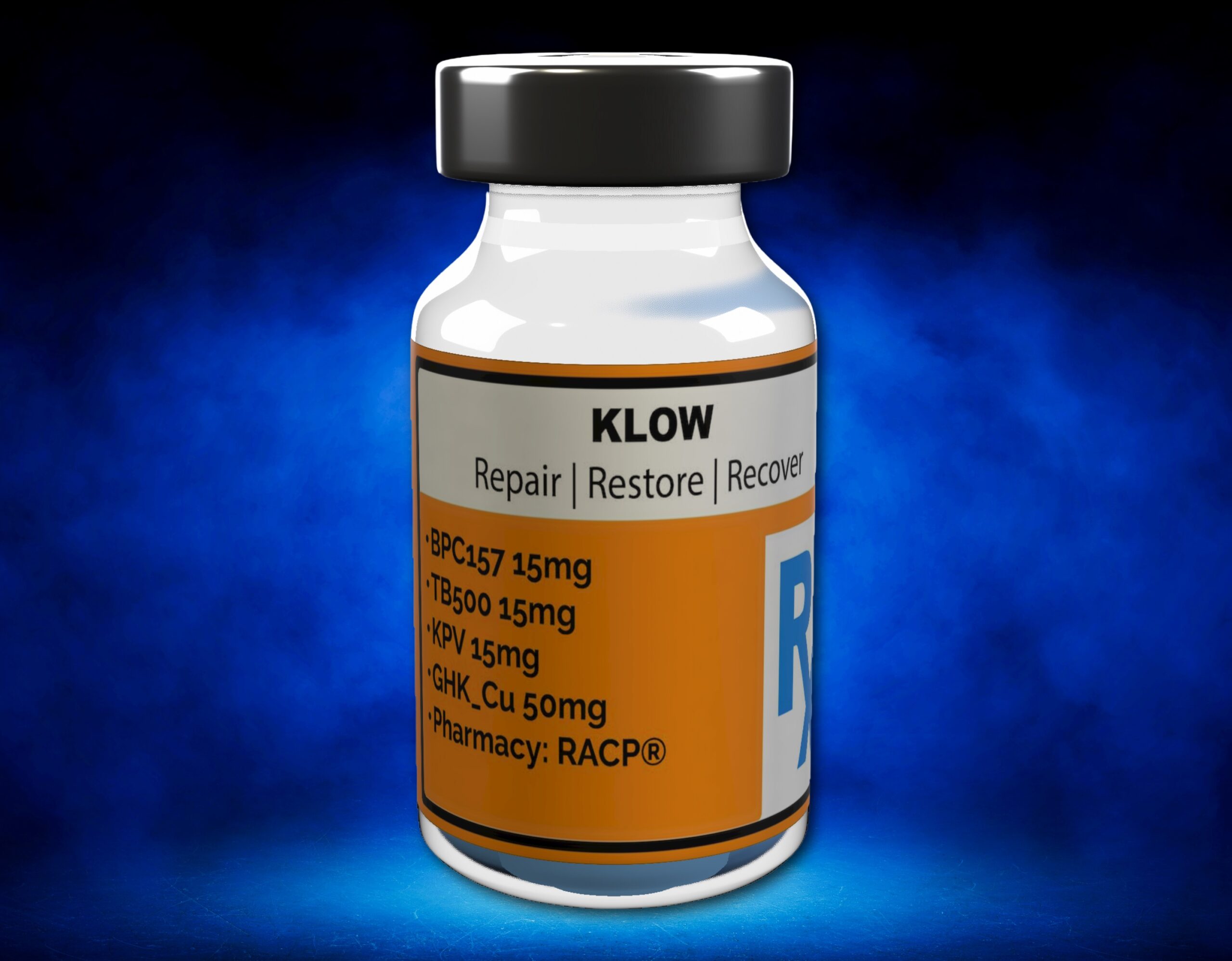
GLOW & KLOW
GLOW and KLOW are compounded peptide blends. GLOW combines three peptides focused on tissue repair and cosmetic skin support; KLOW contains the same three plus a fourth, anti-inflammatory peptide.
|
GLOW
GHK-Cu, BPC-157, TB-500
Often discussed for aesthetic and structural goals, such as skin texture and recovery from clean physical injuries.
|
KLOW
GHK-Cu, BPC-157, TB-500, KPV
KPV is studied for its role in modulating inflammatory cytokines and supporting epithelial barrier tissue.
|
We sometimes customize these combinations based on an individual patient’s clinical plan, in consultation with your provider.
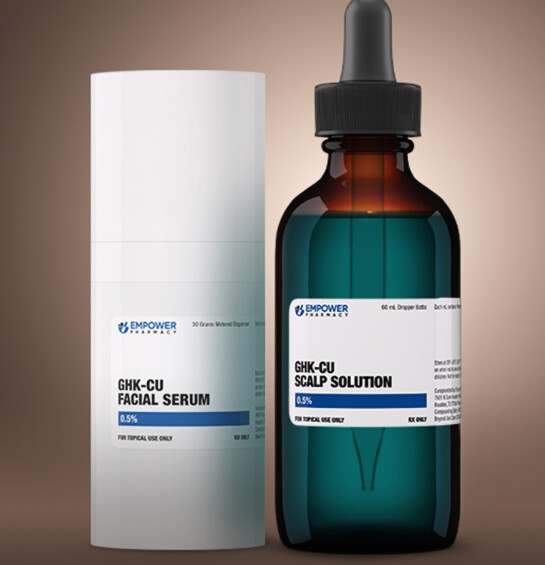
GHK-Cu
|
Mechanism of Action
- A naturally occurring copper-binding peptide studied for its role in gene expression related to tissue remodeling
- Signals cellular renewal processes
- Studied for antioxidant activity
|
Areas of Research Interest
- Collagen and elastin support in skin
- Skin, bone, and gastric tissue repair
- Hair follicle size and scalp circulation; available in injectable, topical, and serum forms
|

NAD+
|
Mechanism of Action
- A coenzyme central to producing cellular energy (ATP)
- A required cofactor for PARP enzymes involved in DNA repair
- Involved in activating sirtuins, proteins linked to cellular aging and metabolic regulation
|
Areas of Research Interest
- Cellular energy metabolism and fatigue
- Cognitive function
- Cellular aging processes and metabolic health
|

NAD+ / Glutathione Stack
|
Mechanism of Action
- NAD+ supports mitochondrial energy production while glutathione, the body’s primary antioxidant, helps protect those same mitochondria from oxidative stress
- NAD+ helps regenerate glutathione’s active form
|
Areas of Research Interest
- Oxidative stress reduction
- Liver detoxification pathways and metabolic function
- Immune cell function
|
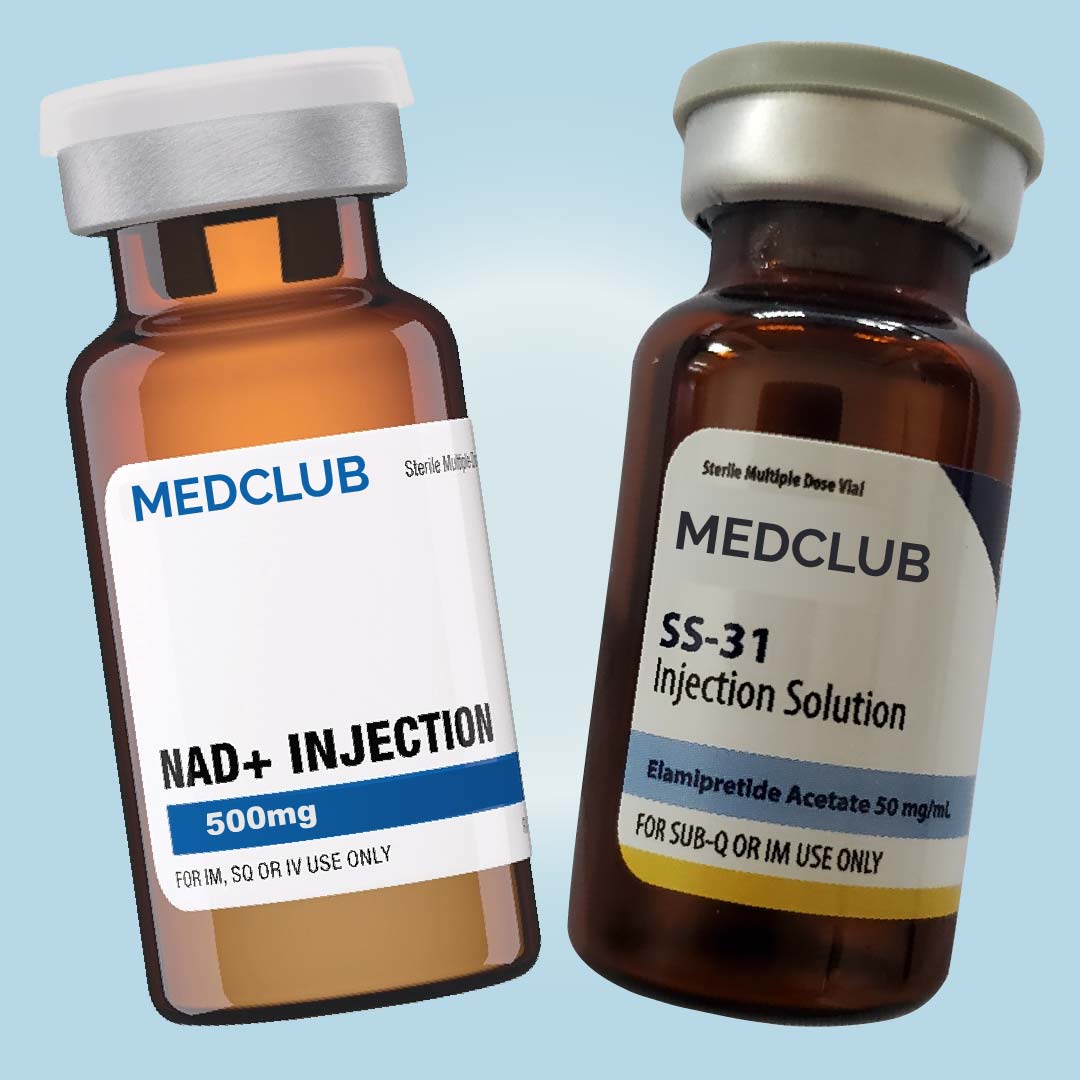
SS-31 / NAD+ Stack
|
Mechanism of Action
- SS-31 targets the inner mitochondrial membrane (cardiolipin), while NAD+ supplies fuel for ATP production
- SS-31 is studied for its role in reducing reactive oxygen species at the source
|
Areas of Research Interest
- Cellular respiration and stamina
- Mitochondrial function in energy-intensive organs
- Exercise-related oxidative stress
|
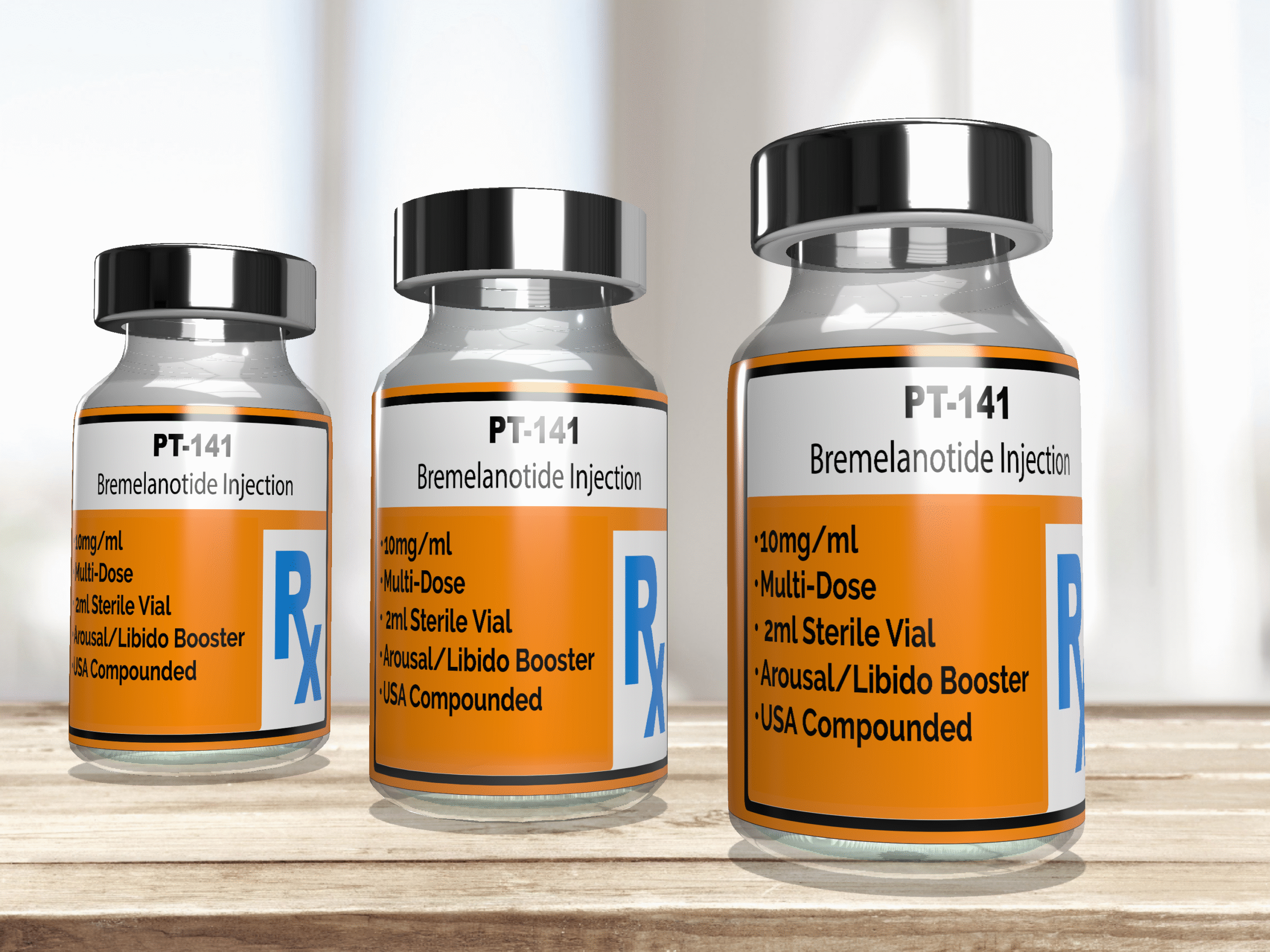
PT-141 (Bremelanotide)
|
Mechanism of Action
- Acts on melanocortin receptors (MC3R/MC4R) in the central nervous system
- Works through central nervous system pathways rather than direct blood flow effects
|
FDA-Approved Use
Bremelanotide is FDA-approved (as Vyleesi) specifically for hypoactive sexual desire disorder (HSDD) in premenopausal women. It works through a different pathway than blood-flow-based medications. Available via injection, nasal spray, or troche depending on formulation.
|

Thymosin Alpha-1
|
Mechanism of Action
- A naturally occurring thymic peptide studied for its role in modulating immune system activity
- Involved in T-cell maturation
- Studied as a potential vaccine adjuvant in some populations
|
Areas of Research Interest
- General immune system modulation and immunosurveillance function
Research on specific disease applications is ongoing and outcomes are not established for individual patients.
|

5-Amino-1MQ
|
Mechanism of Action
- Inhibits NNMT, an enzyme linked to fat storage and metabolic regulation
- Studied for its role in preserving cellular NAD+ levels
- May activate SIRT1, a protein linked to metabolic regulation
|
Areas of Research Interest
- Fat cell metabolism
- Lean muscle support
- Oral capsule delivery, avoiding injection
|

Tesamorelin
|
Mechanism of Action
- A synthetic analog of growth hormone-releasing hormone (GHRH)
- Stimulates the pituitary gland’s natural, pulsatile release of growth hormone
|
FDA-Approved Use
Tesamorelin (Egrifta) is FDA-approved specifically for the reduction of excess visceral fat in HIV-positive patients with lipodystrophy. Off-label use for other purposes has not been evaluated by the FDA for safety or efficacy.
|

Exercise “Mimetic” Peptides
This term refers to peptides studied for activating metabolic pathways that are otherwise triggered mainly by physical exertion.
|
Peptides Studied
- MOTS-c: a mitochondrial-derived peptide involved in metabolic signaling
- AOD-9604: a fragment of human growth hormone studied for fat metabolism
- SLU-PP-332: studied for effects associated with aerobic exercise at a cellular level
|
Areas of Research Interest
- Insulin sensitivity and glucose metabolism
- Fat metabolism
- Mitochondrial function and endurance
|
Epitalon
|
Mechanism of Action
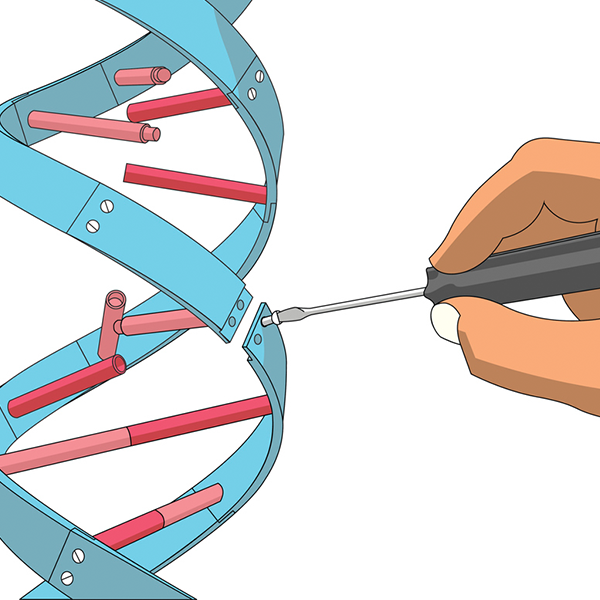
- Studied for its effects on telomerase, an enzyme involved in maintaining telomere length
- Studied for effects on pineal gland function and melatonin production
- Studied for antioxidant-related effects
|
Areas of Research Interest
- Cellular aging processes
- Sleep-wake cycle regulation
|

Neuropeptides: Selank & Semax
|
Selank — Mechanism
- Studied for effects on GABA activity
- May slow the breakdown of natural enkephalin peptides
- Studied for effects on BDNF, a protein supporting neuron growth
|
Semax — Mechanism
- Interacts with melanocortin system pathways in the central nervous system
- Studied for effects on nerve growth factor (NGF) and BDNF levels
- Studied for effects on dopamine and serotonin signaling
|
Both are studied in the context of cognitive function and stress response; this is an active area of ongoing research rather than an established treatment protocol.
Have questions about peptide therapy?
Schedule a consultation with our providers — in person or via telemedicine — to discuss whether peptide therapy is right for you: (561) 214-3323
Safety Considerations
▼
Peptides are bioactive substances, and each carries its own considerations. In general:
- Many peptides discussed on this page are compounded and are not FDA-approved for the uses described; some are not currently legal for U.S. pharmacies to compound pending FDA rule-making.
- Individual side effects, interactions, and contraindications vary by peptide and by patient — your provider will review these with you individually before starting any therapy.
- Peptides sourced outside of licensed, tested compounding pharmacies (including anything labeled “Research Use Only”) carry meaningfully higher risk of contamination, incorrect dosing, and lack of sterility testing.
- Pregnant or breastfeeding patients, and patients with active cancer or a history of cancer, should discuss any peptide therapy carefully with their provider given limited long-term safety data for many of these substances.
Seek emergency care immediately for any signs of a severe allergic reaction, including hives, difficulty breathing, or swelling of the face, lips, tongue, or throat.
This article is for informational and educational purposes only and is not a substitute for medical advice. Statements have not been evaluated by the FDA. See our full disclosures for details on compounding, FDA approval status, and the doctor-patient relationship.
Tagged are peptides dangerous, are peptides safe, BPC-157 Palm Beach County, compounded peptides FDA, GLOW KLOW peptide blend, healing peptides, how do peptides work, NAD+ glutathione stack, peptide clinic West Palm Beach, peptide mechanism of action, peptide safety, peptide therapy Palm Beach, peptides for sports, peptides South Florida, what are medical peptides, what are peptides